
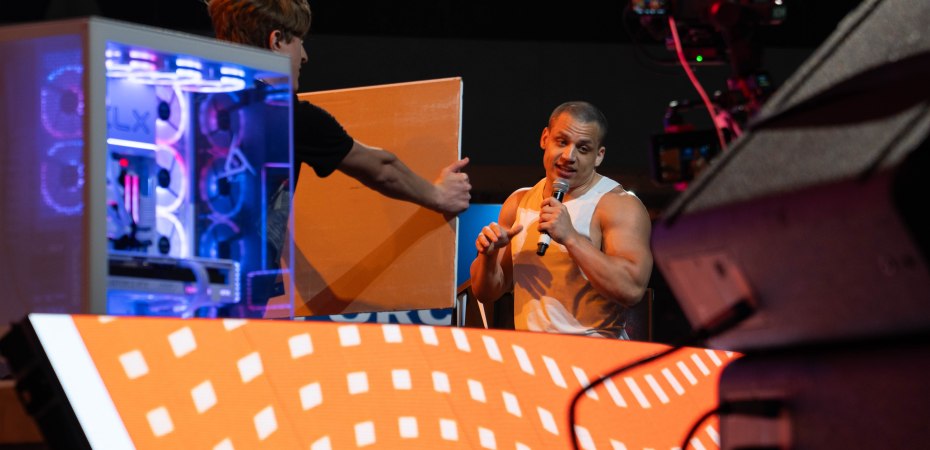
With gaming on the rise, is it possible to also live a healthy lifestyle?
By Rachel Olsen-Cooper
Gamers have been battling negative stigmas for years. According to Medium, when people think of gamers, they usually think of people who are basement dwelling, have neckbeards, and are fat or lanky. And with gaming now being used in schools to help teach STEM, as well as schools creating esports teams, health is a big concern for parents of gamers, wondering how much is too much?
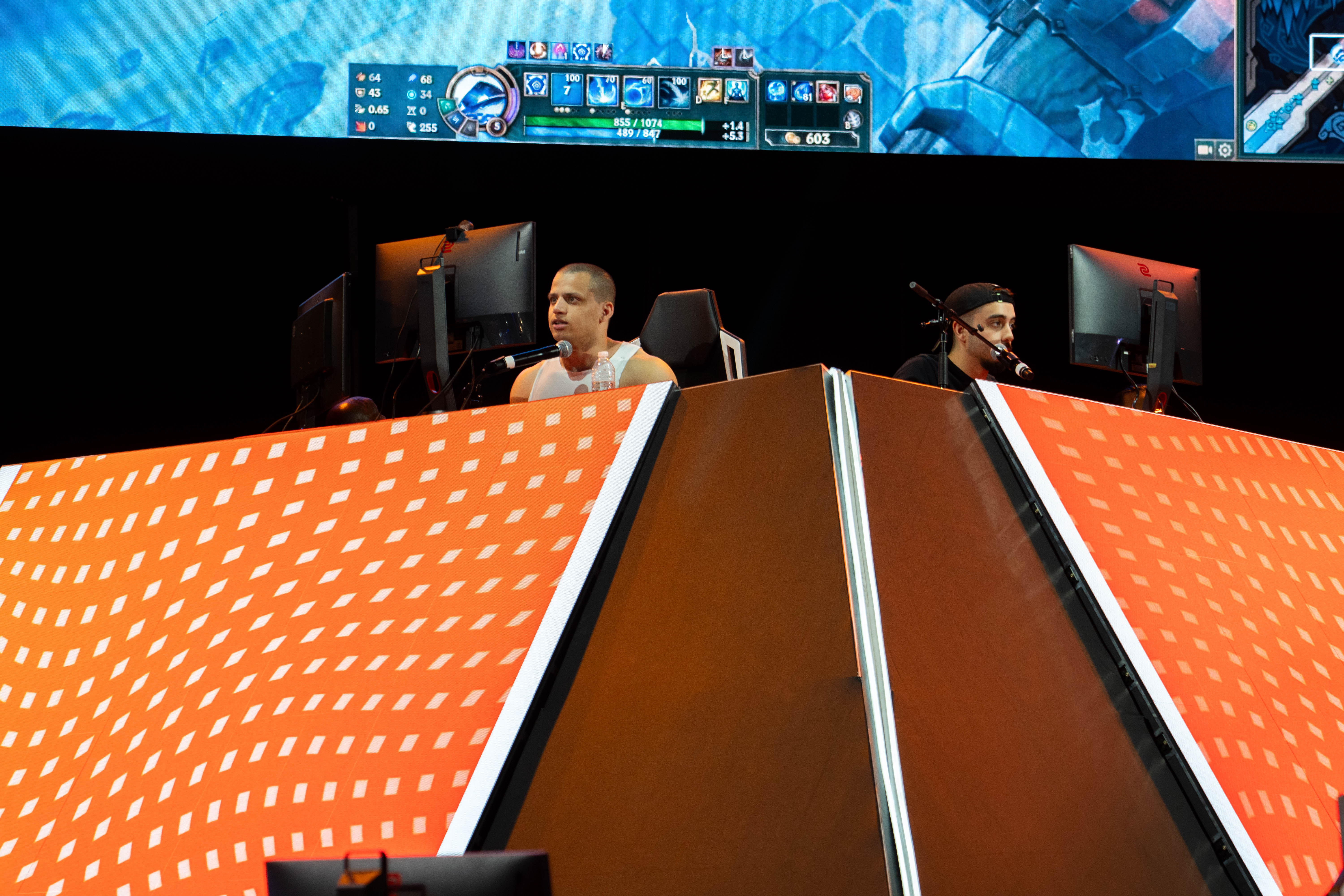
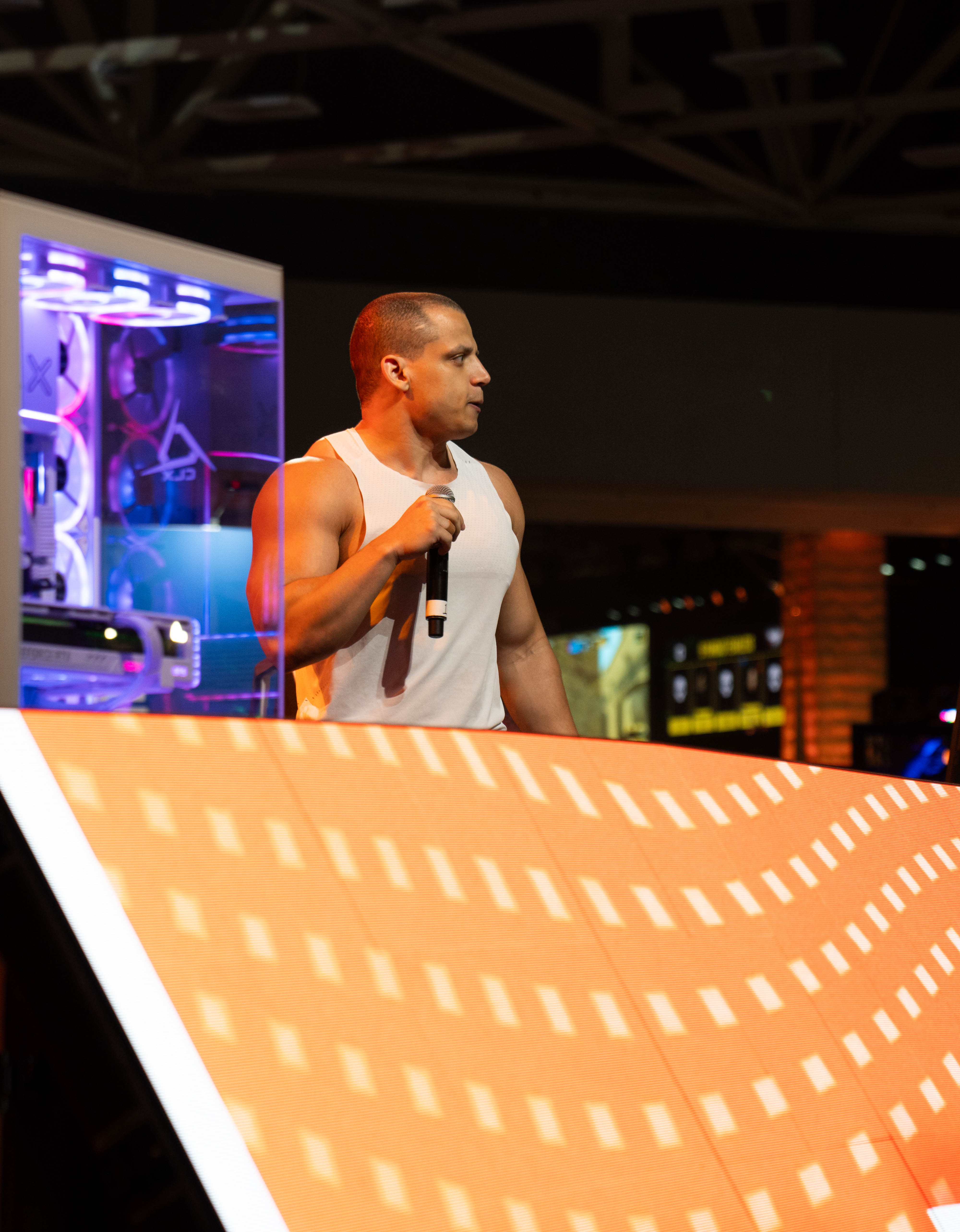
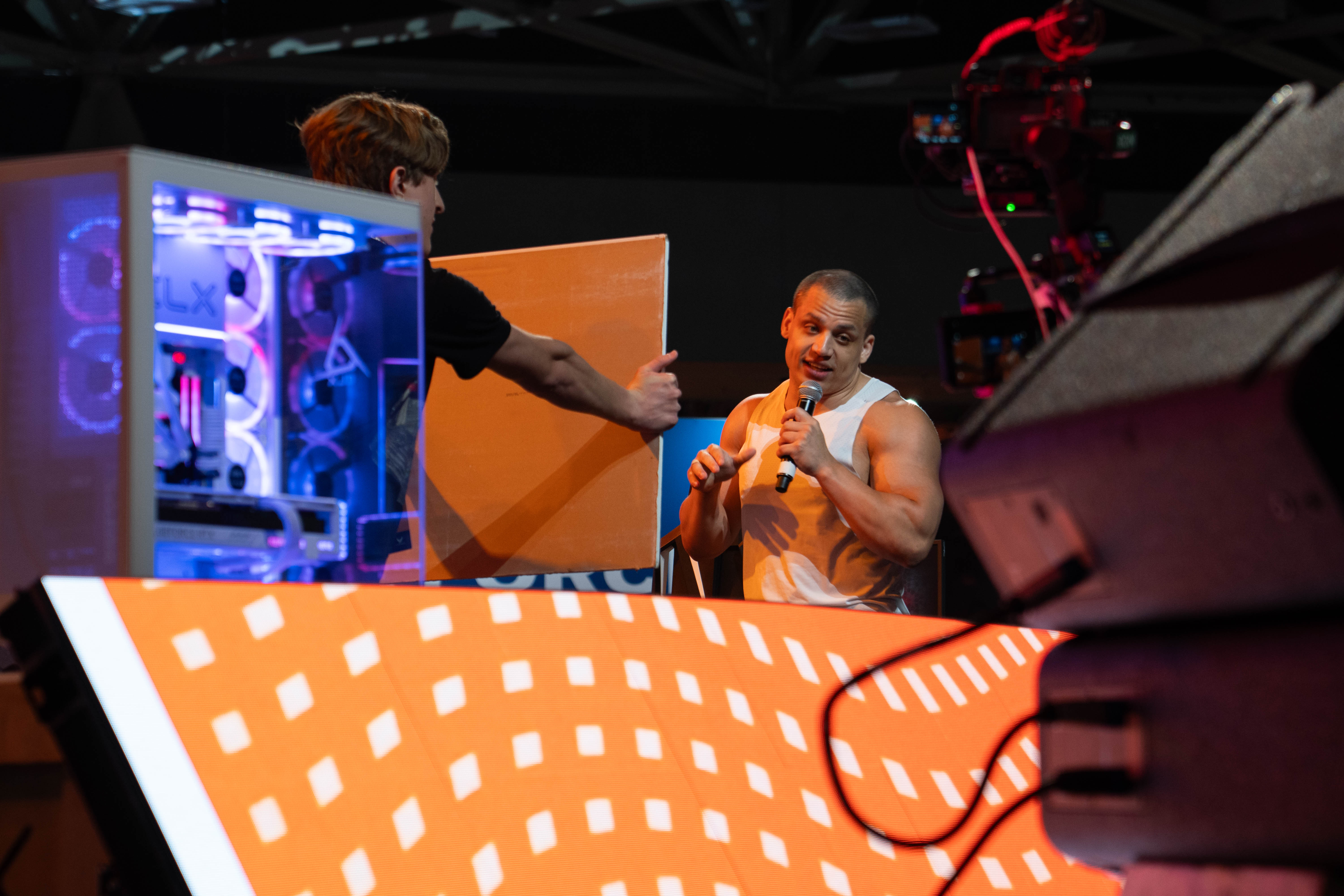
Companies and esports teams have been trying to combat those stigmas in gaming by evolving health and fitness for gamers. In 2019, professional esports organization Gen.G introduced a wellness campaign for esports teams to help encourage healthy habits in both physical and mental health. At the SXSW festival in 2019, a health and wellness technology company called Blue Goji hosted a demonstration for Infinity Esports, which used their patented Infinity Treadmill to combine the mental focus of gaming with physical movement. Gaming influencers like Tyler “Tyler1” Steinkamp helped bring the fitness and health community on Twitch into a new light when he competed in a powerlifting event that was partnered with Twitch. Steinkamp’s physique shows that even the top gamers and gaming influencers can be conscientious about their health.

Murphy “Instill” Peck is an example of how video games can take over one’s health. Peck says he started gaming at a young age, and even though he was always active in sports in school, it didn’t take long for the weight to rise. When he played football in high school, his coaches would make them eat a lot of calories to make up for what they lost in practice. But when he graduated high school and started to play video games all the time, he kept eating the same as he was when playing football.
“With all the calories, I just gained and gained and gained,” says Peck. “I think I got up to 270, almost 280 pounds.”
His lack of confidence due to his weight made him focus more on gaming, which allowed him to improve his gameplay, and he went on to compete in Halo 3.
“I didn’t win any tournaments, the highest I probably placed was 64th, but I still practiced and took it seriously and I did it,” Peck lamented. “It catapulted me into streaming down the line from the connections and friends I made.”
Despite this, Peck felt ashamed of the way he looked. Mixed Martial Arts, or MMA, was starting to become big at the time, and thanks to a gym that opened locally to him in Texas, Peck found new energy by learning the sport. He spent much of his time there and saw an almost instant change.
“In about six months, I went from 280-270 to 182 [pounds,]” Peck laughs.
As the years went by, Peck found himself back into video games, becoming a partnered streaming on Twitch, and helped co-create Nemesis Media LLC, an amateur esports team. He found his health declining again. In October of 2022, Peck realized while climbing a mountain in Colorado that it was time to make a change. Since then, he’s put himself back into an exercise routine and has lost the weight once again.
Peck says he knows he has it in him to come back from the time he lost. “I think I was at 273 [pounds] this time? You wouldn’t believe the pictures from then and now.”
Peck considers himself a full send type of person, that if he wants to do something, he puts all of himself into it. It’s why he tends to focus on one or the other.
But as far as trying to find a balance health and gaming, he says he takes the good things from his experiences and puts them into the other. “To find that balance, you really have to figure out what you want.”
Finding a routine can be key. Sometimes it can take sacrificing one or the other. But Peck says that gamers can use tricks to still fit in a workout while they’re gaming. “If you’re waiting in a [gaming] lobby or waiting on a friend to get back and you’re really pressed for time, do some sit ups, push-ups, squats. Do some alternating lunges, burpees. It’s all about routine.”
For parents, Peck says it can be a slippery slope to remove gaming from a child completely. “For me, gaming framed my mind on how to problem solve, how to work with teammates, how to outsmart someone, and see things from multiple perspectives. So, for a parent to remove the games completely can be a disservice to the child, also for their mental health, because their friends are there, and they just want to have a good time. But if you’re concerned for their health, you really need to dive deep and see if what they’re doing is healthy or not, because healthy can be subjective.”
Based off Peck’s experiences, a balance can be found between health and gaming. It all comes down to the will of the person.
Peck can be found at http://instilltv.com.
Music provided by Adobe Stock.
 The Spawn Room