

How the interest in STEM has escalated beyond just Minecraft in the classroom.
By Rachel Olsen-Cooper
In the years that gaming has been introduced into the classrooms, Minecraft has been at the forefront of it all. It’s given an outlet for students to become interested in STEM without making it feel like work. According to the Game Developers Conference in 2016, over 10,000 schools have been using the MincraftEdu program in their classrooms. In an article found in School Library Journal in 2015, Mark Lorence discusses the different ways that Minecraft can be used. The game can take students to places in history through prebuilt worlds, learn how to calculate sums to purchase items in a world called “Decimal Island,” and even learn how to build a settlement with only one source of water.
However, Minecraft isn’t the only source of gaming in schools. With the popularity of esports on the rise at the youth level, students have become excited about being able to learn through gaming. But not everyone with a passion for esports is cut out to be a gamer. If Minecraft has brought the excitement of science, math, and engineering, then esports has introduced new excitement around technology, the final piece of STEM.
Esports isn’t just gaming. According to Adam Stone, a technology writer for EdTech Magazine, students in the St. Lucie Public Schools in Florida not only have their competitive esports teams, but they also have a team of content creators. They’re the broadcasters, the graphic designers, the journalists, and others, working behind the scenes for their organization. While some reserve these advanced technologies for high school and college, others are seeing the value in having younger students learn the skills it takes to be a content creator.
In Dallas, Texas, an organization called Techie Factory is bringing STEM and STEAM to local area students to help facilitate different programs to get students interested in the different ways they can learn outside of school. At Techie Factory, kids can learn more about Minecraft and coding, robotics with Legos, game design through Roblox, and how to learn to create their own content, whether they want to be the next YouTube star or just make fun videos for TikTok.
Freddie Halstead, the CEO of Techie Factory, says that during the school year, one of the most popular courses they offer is content creation.
“Kids want to learn how to be YouTubers. We do intros and outros, talk about their character and what they’re going to look like, even storyboarding,” said Halstead. “Kids who normally wouldn’t have the interest in writing a script are happy to do it in the framework of making a video.”
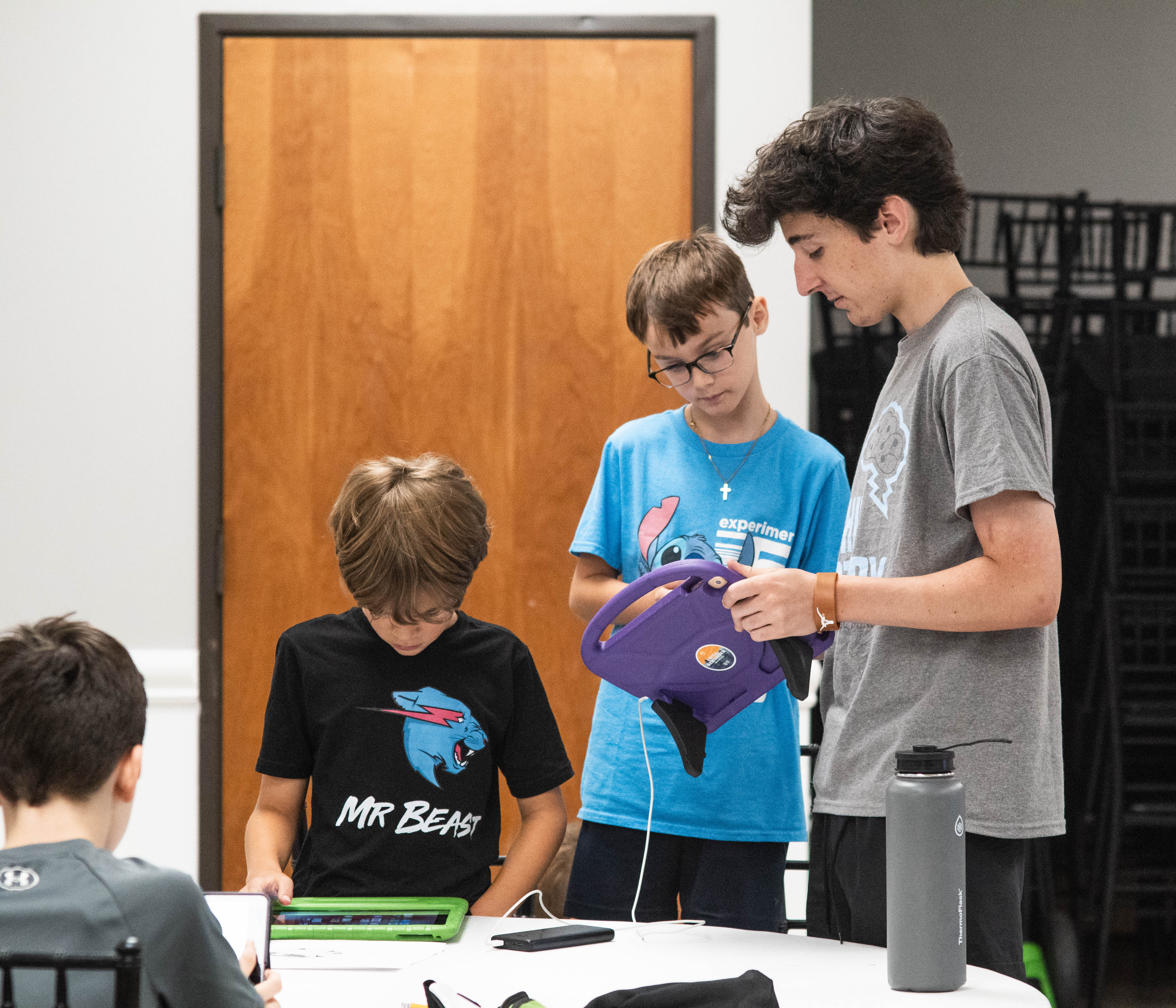
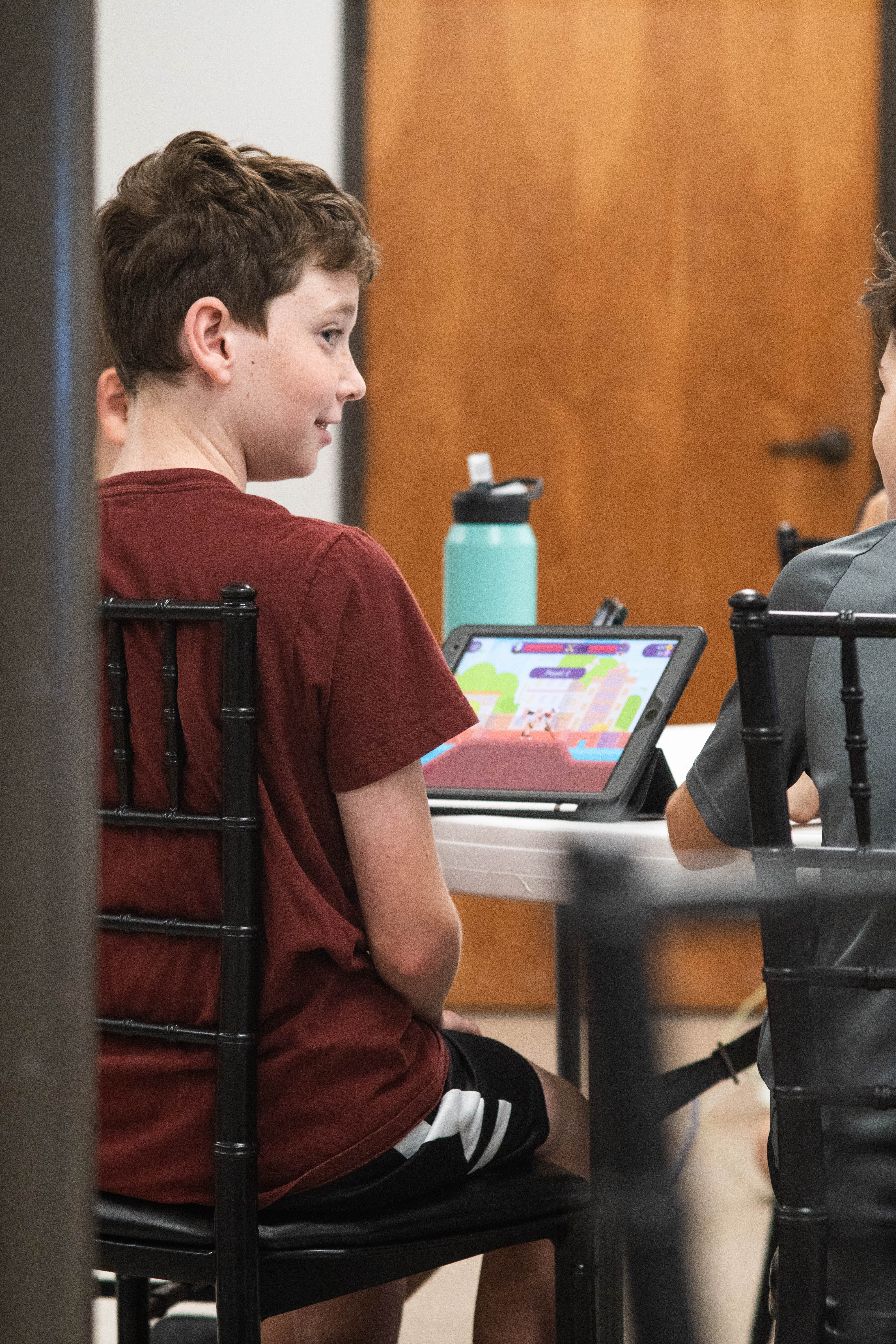
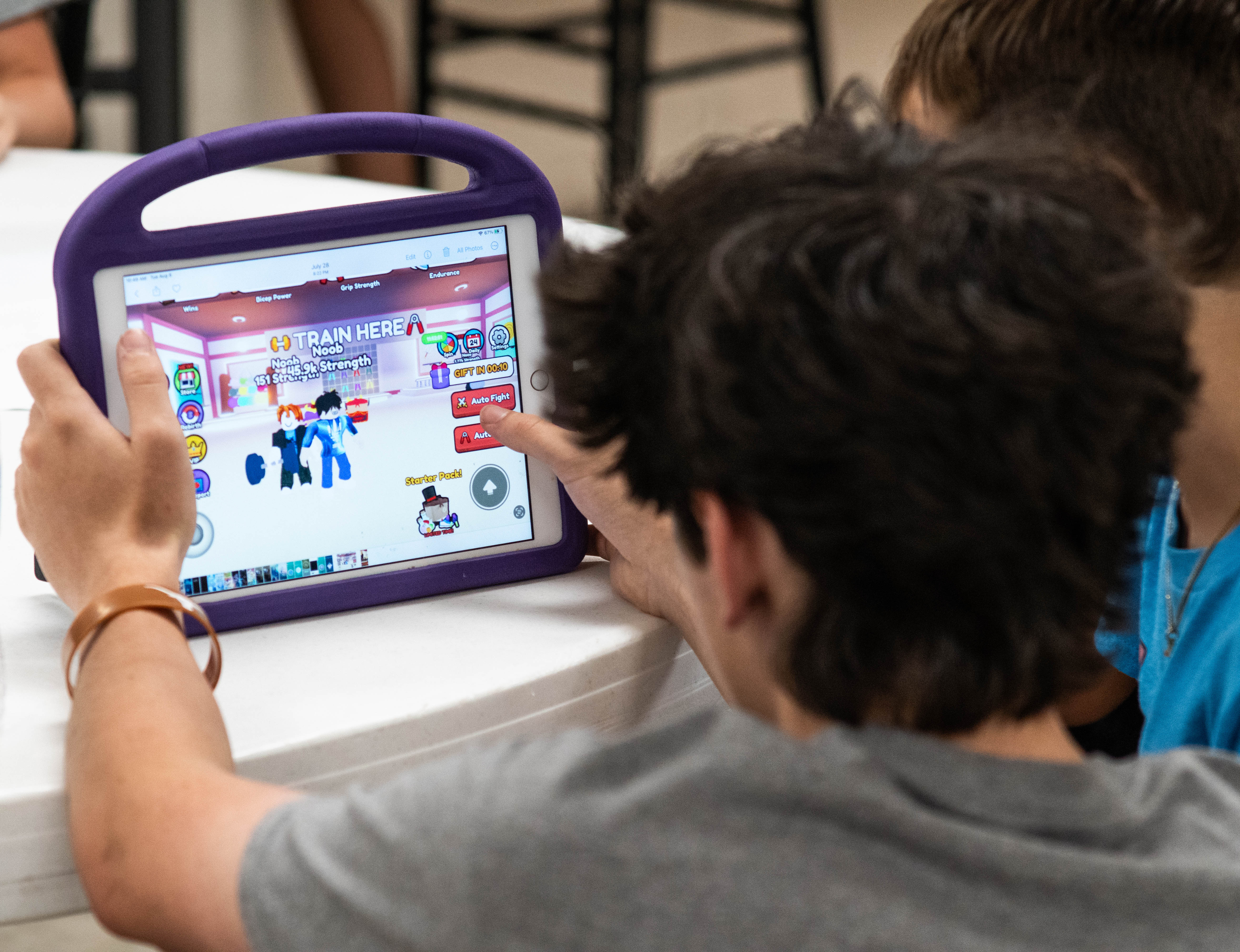
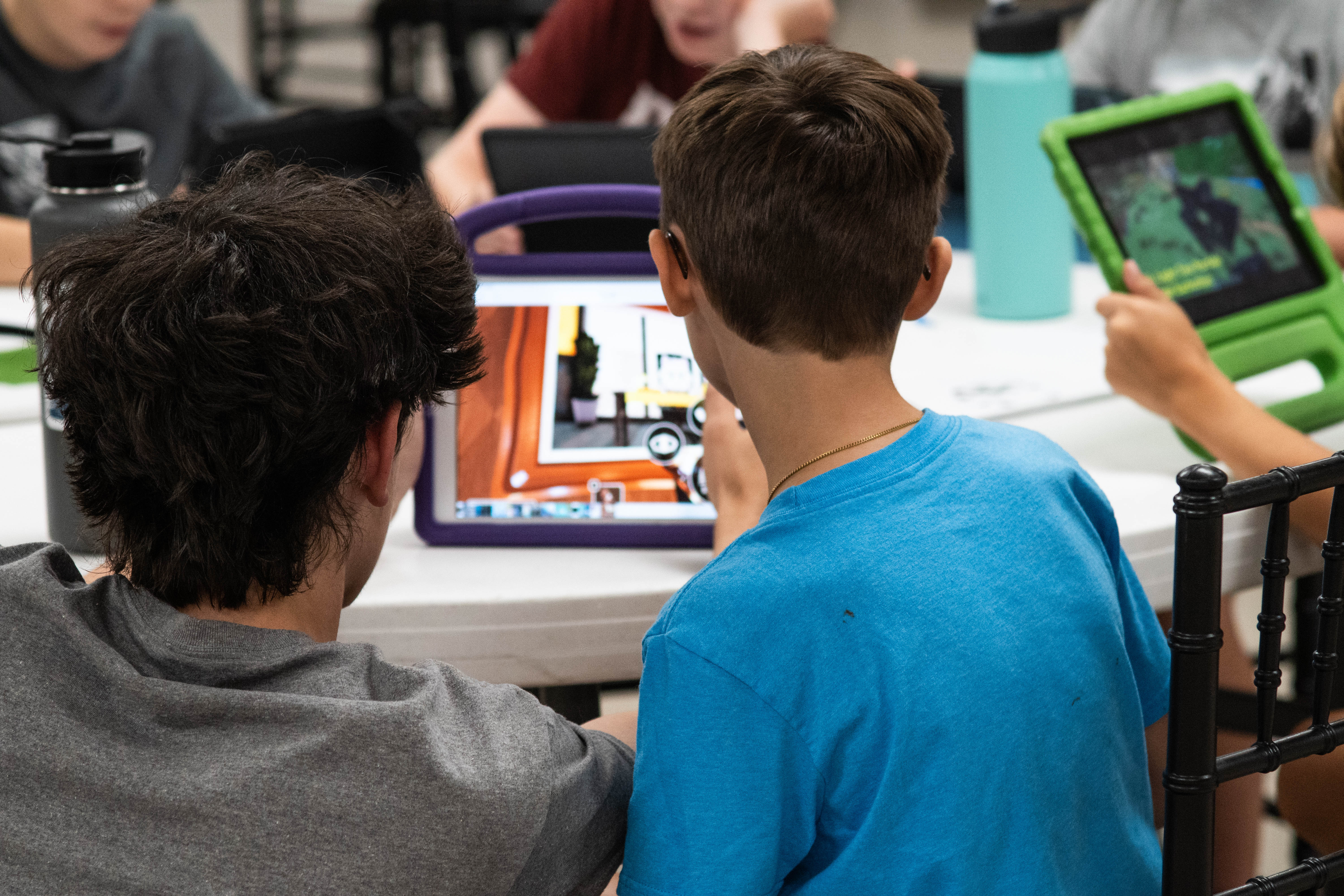
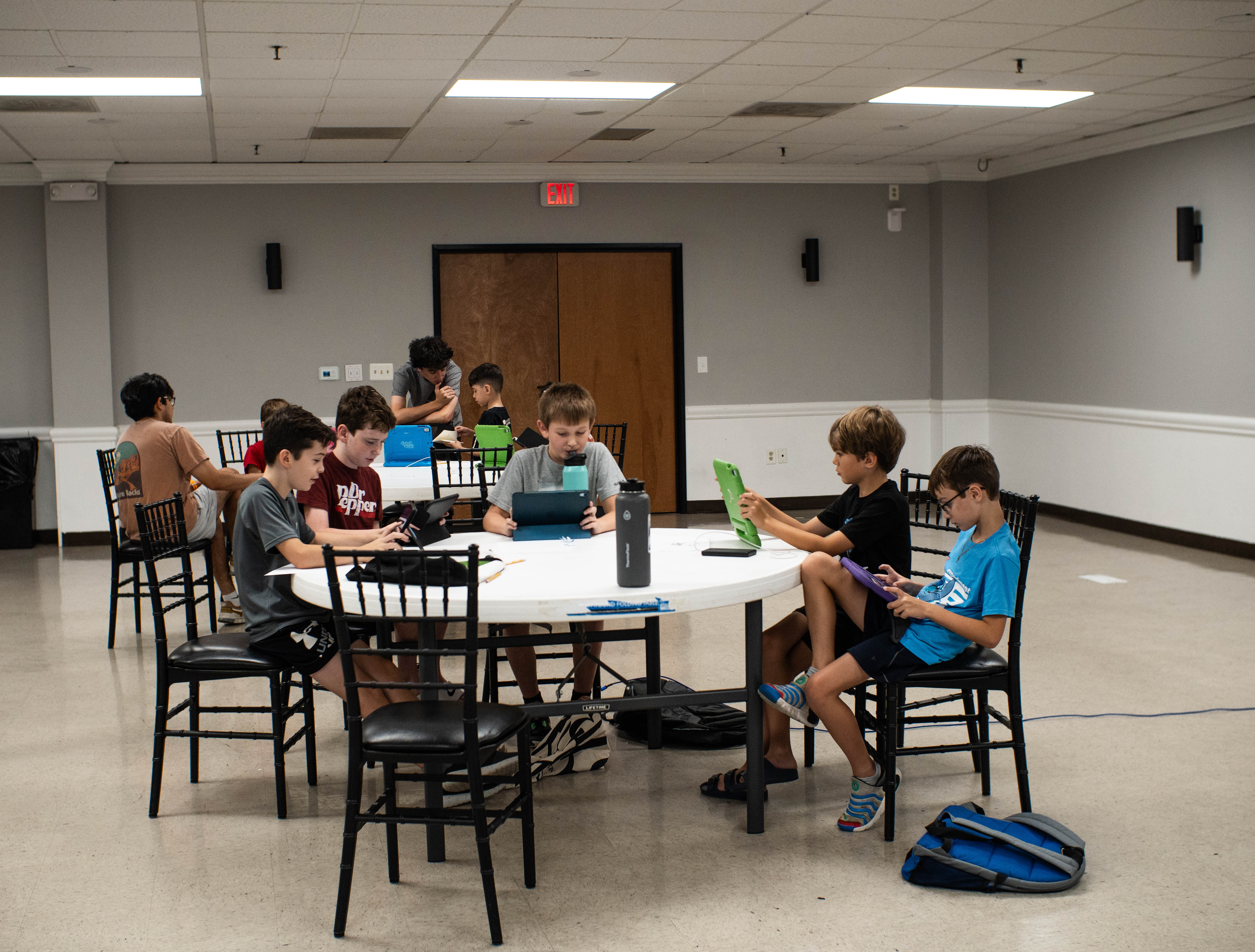
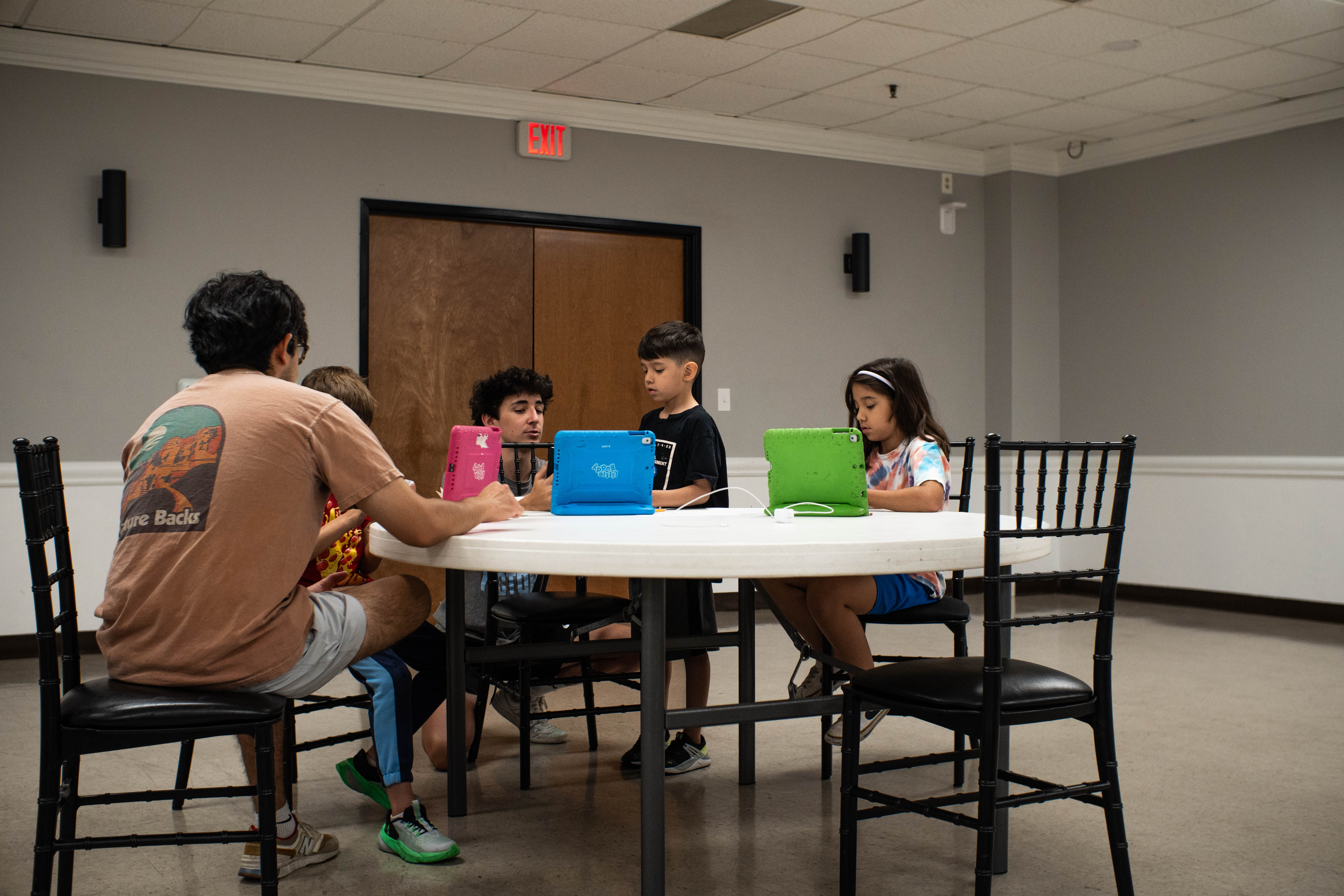
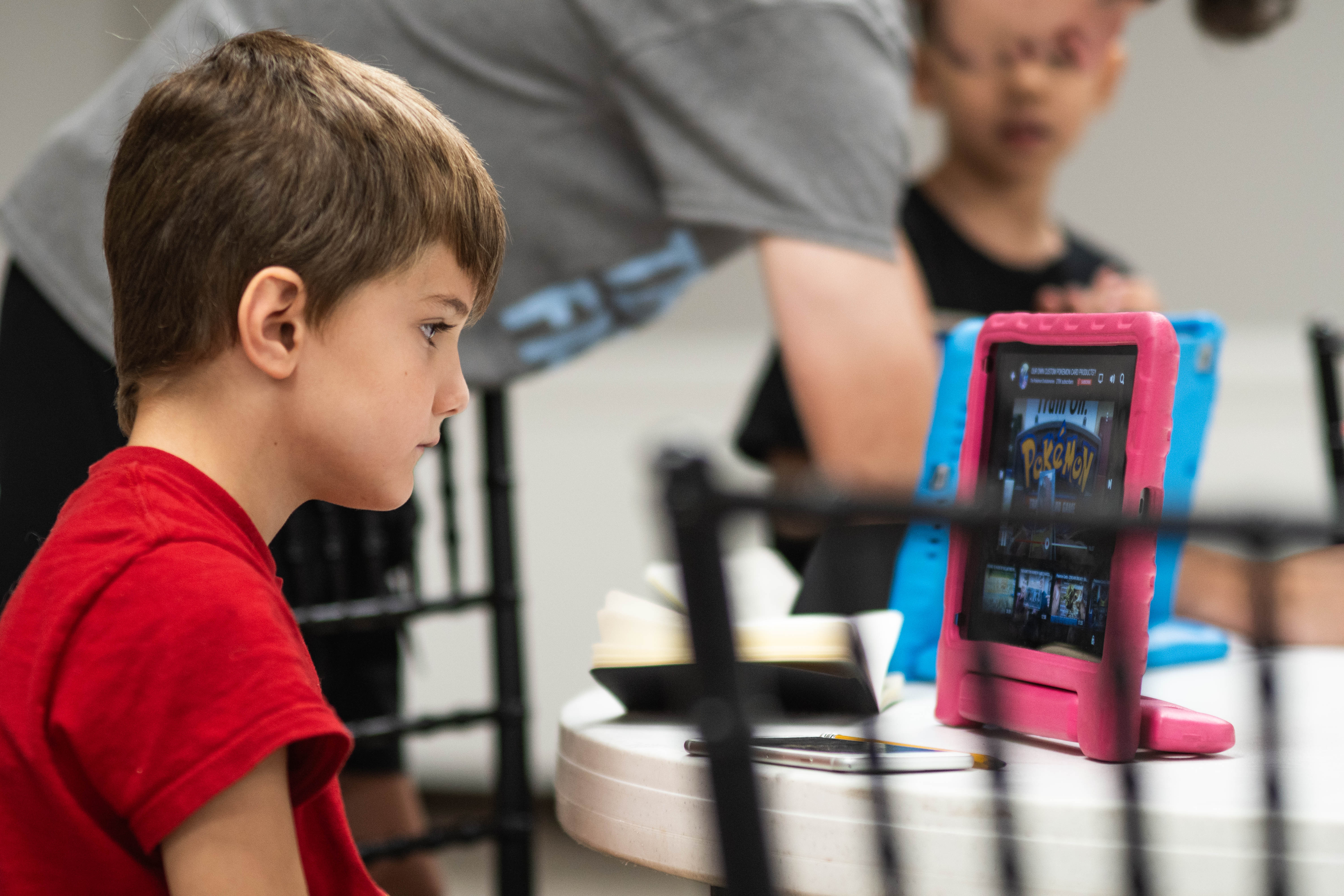
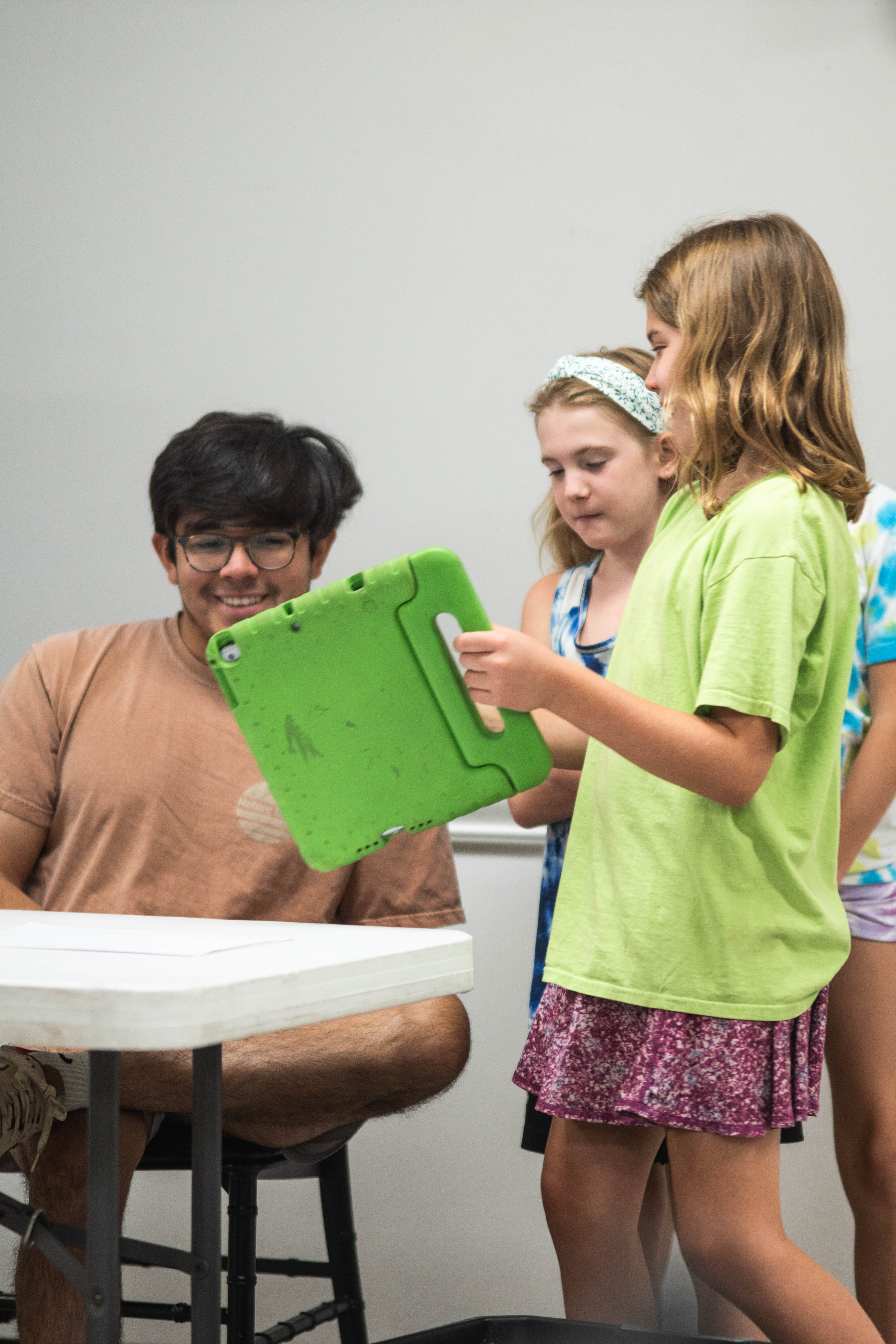
Techie Factory holds a variety of camps during the summer, and on August 9th, a group of around 15 elementary aged students gathered at the KayCee Club in Lake Highlands, Texas to learn how to create content from the games they were playing on their tablets. They then take that gameplay footage and insert it into a program that allowed them to edit the videos they captured, as well as add in voiceovers talking about their gameplay. At the end of the camps, students get the chance to make their own private YouTube channels to show their family and friends what they created.
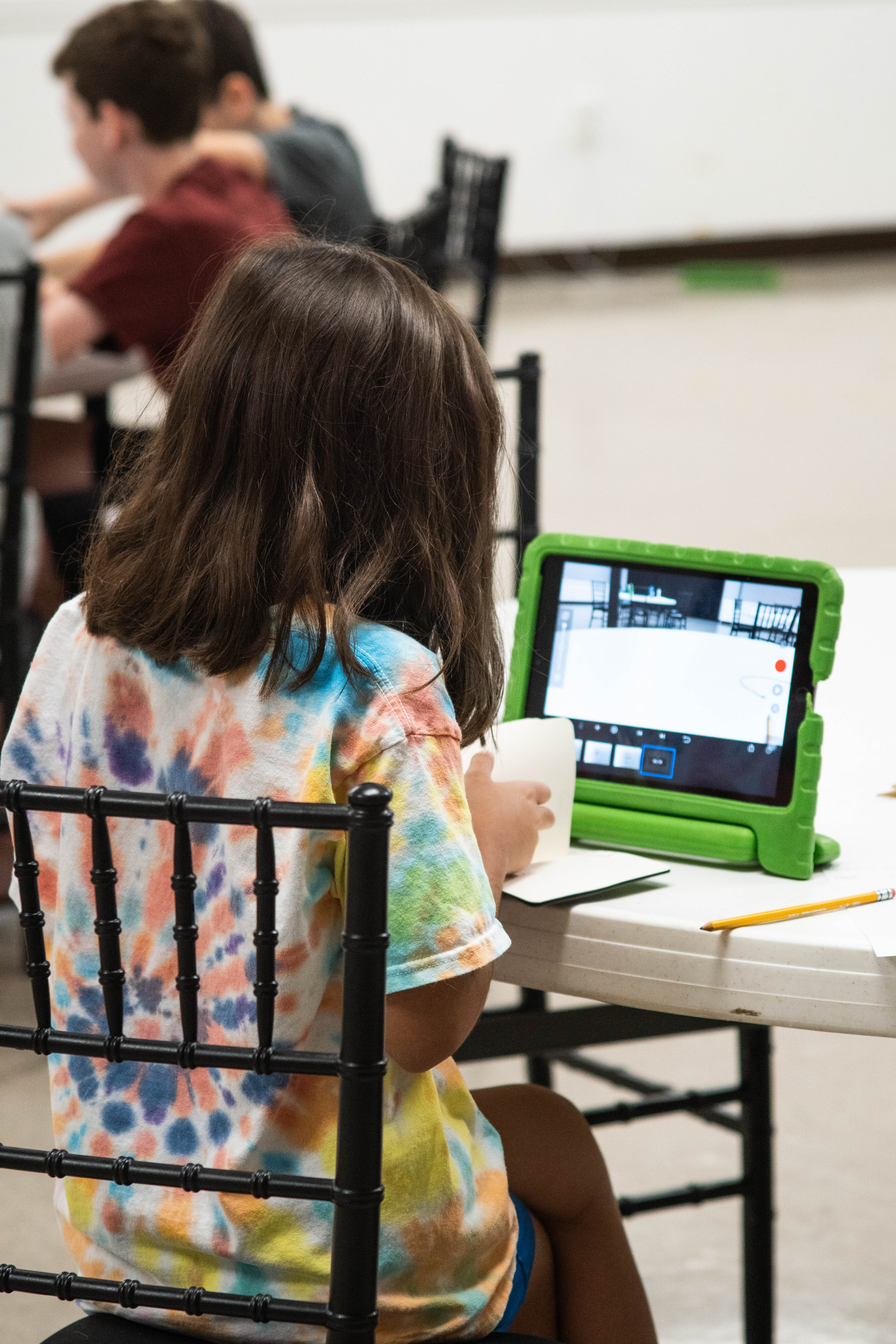
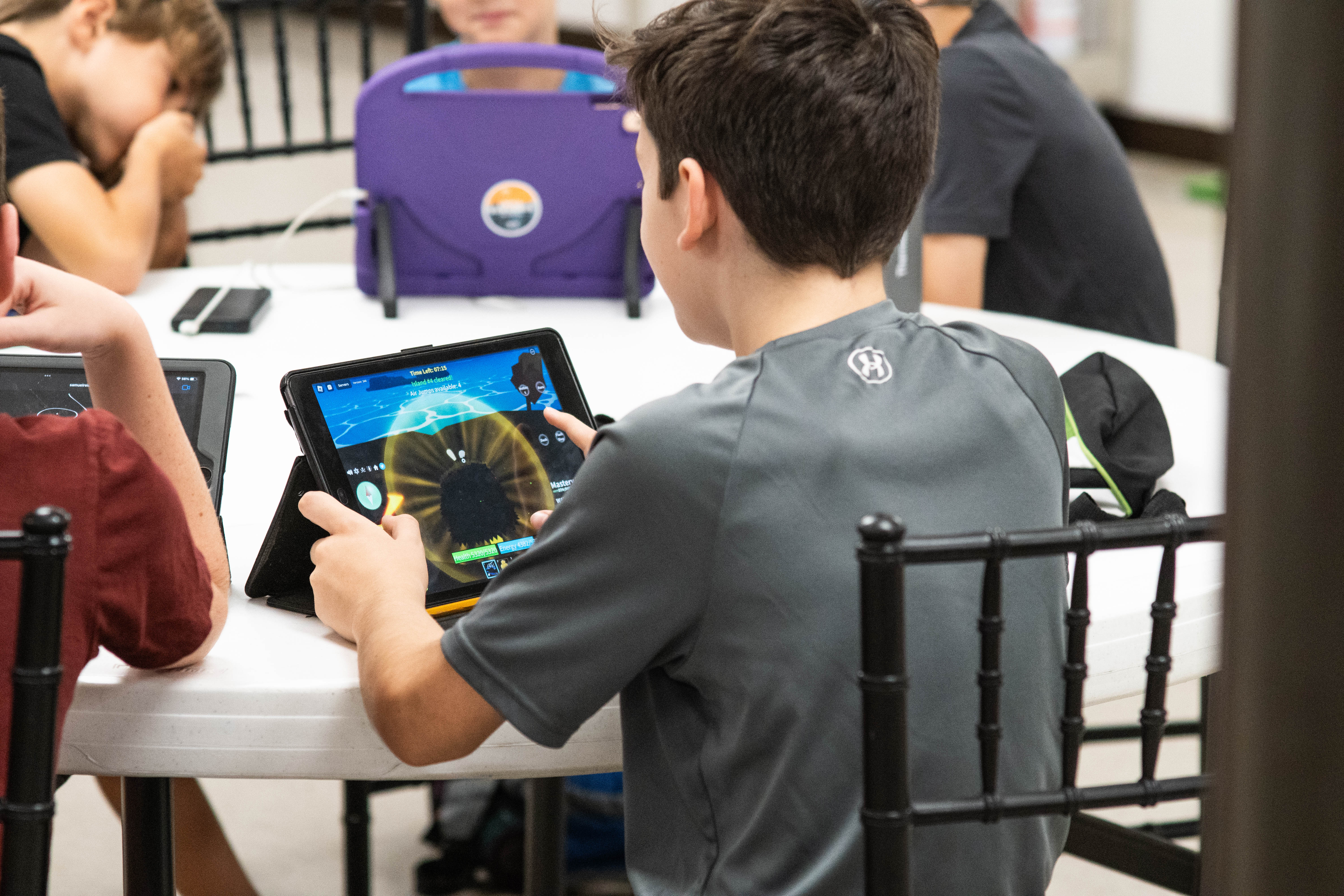
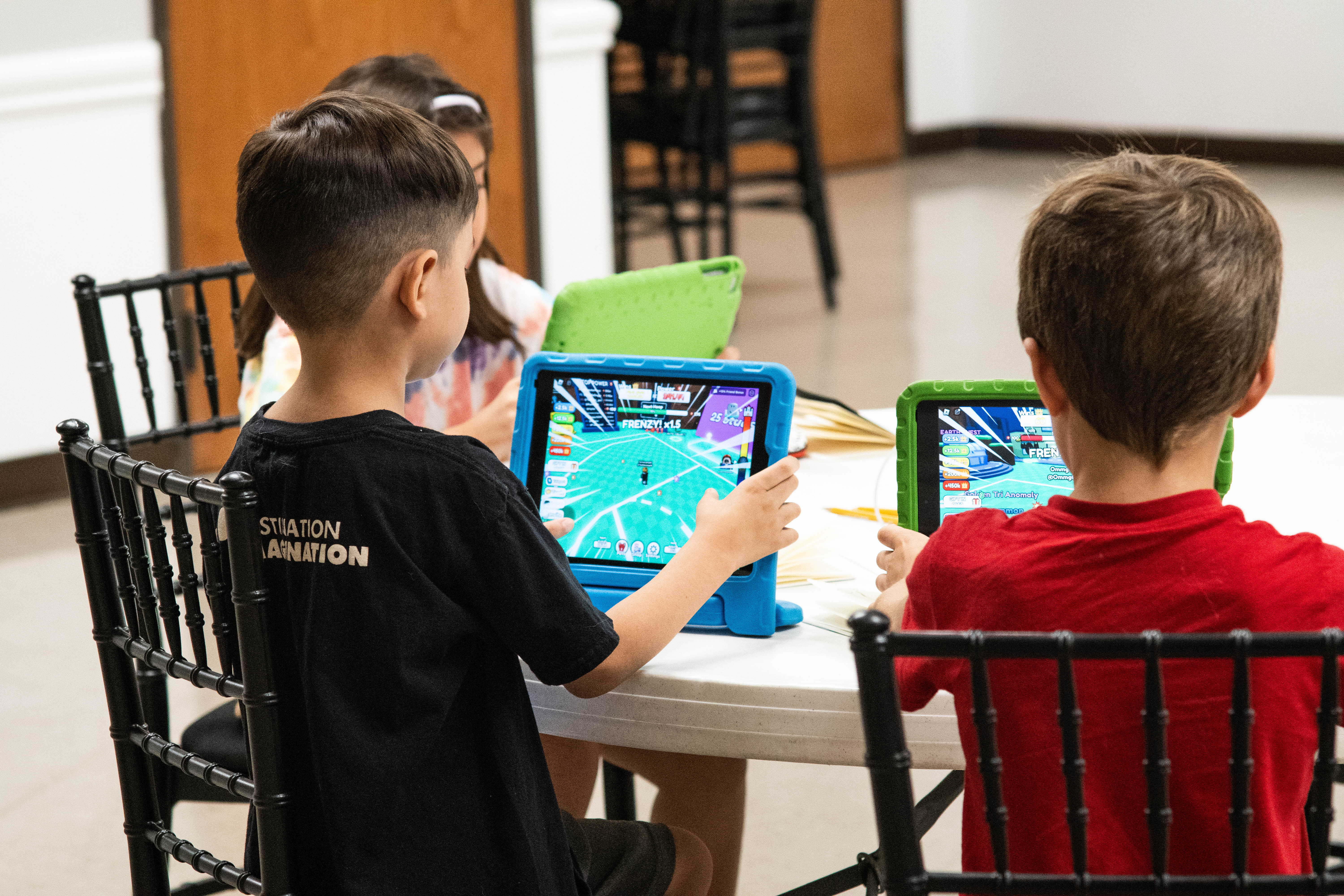
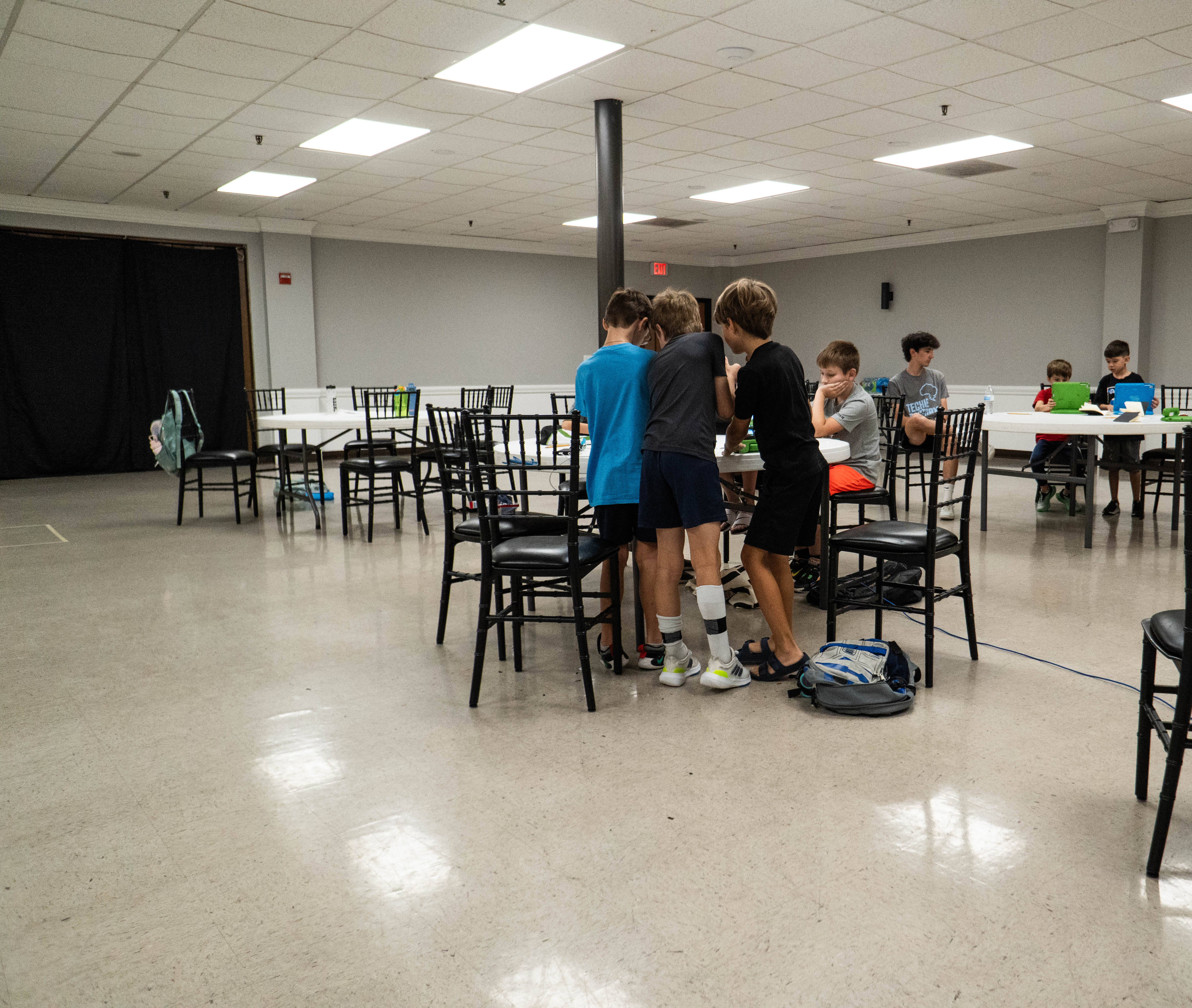
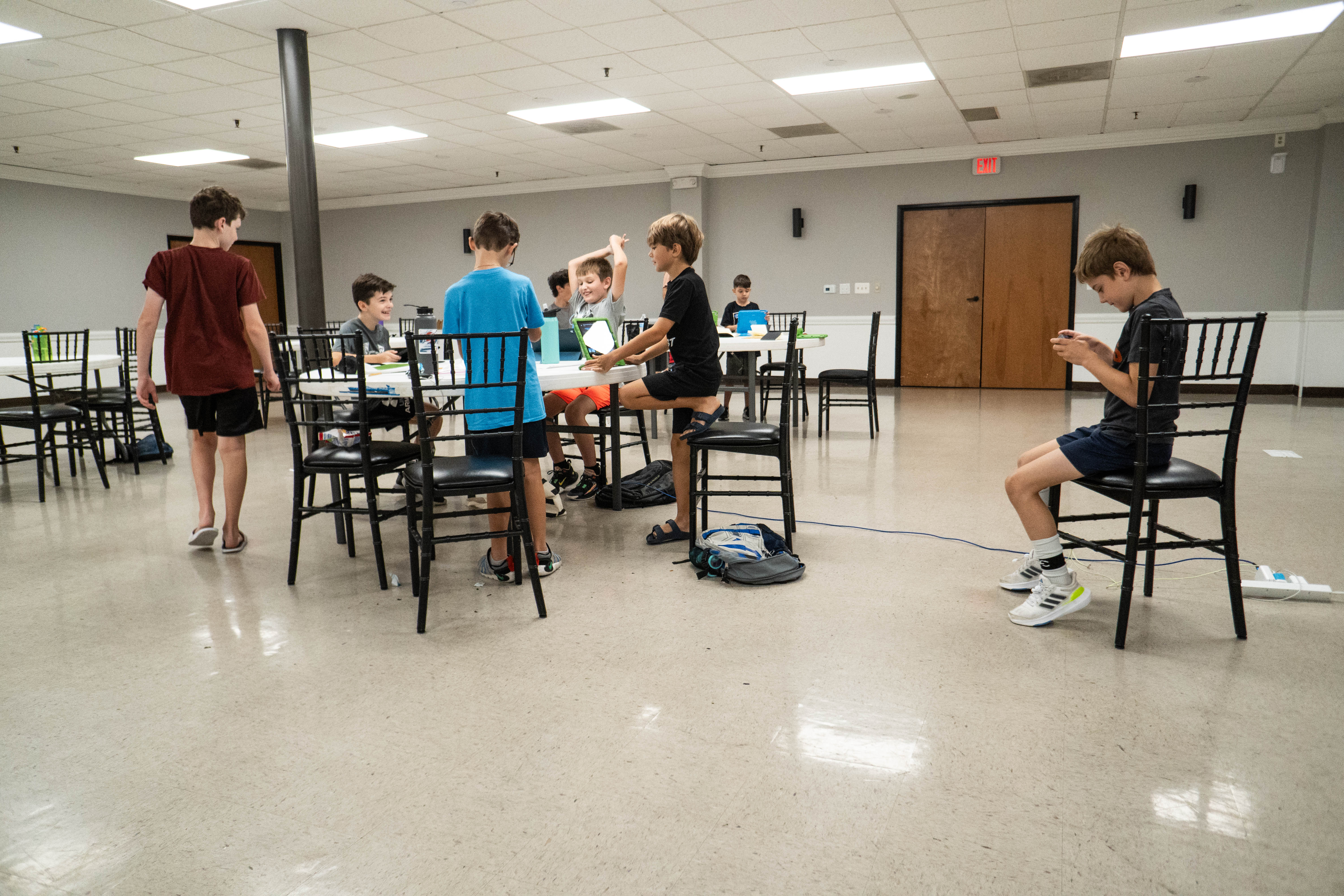
The technology that the students are learning early on in these types of camps and afterschool programs can help carry that interest in technology and gaming into their high school and college years. As Stone points out, scholarships, internships, and careers in esports content creation are becoming more abundant.
And while educating is the main goal behind the camps and programs that Techie Factory runs to help students get to that future of scholarships, Halstead says that to the kids, they’re just having fun.
“I’ll have parents say ‘hey, my kid said they loved it today, but they said they were just playing Minecraft.’ And while they were, they were doing it through modding and block coding and build challenges. In the kid’s mind, they got to play Minecraft. But we know that’s not the case.”
The students at the creation camp may have been learning skills that they will be able to use in the future, but in their minds, they were playing games, hanging out with their friends, and having fun.
 The Spawn Room